
How Casinos Keep You Playing: The Psychology Behind the Spin
12 Dec, 2025
- 🧠Mind tricks at work: near-misses, gambler’s fallacy, and the illusion of control.
- 🎰Rewards that hook: variable payouts, “losses disguised as wins,” and loyalty comps keep you engaged.
- 📱Online boosts the pull: push notifications, autoplay, and progress bars gamify gambling and stretch out sessions.
Casinos don’t rely on luck alone to generate billions in revenue each year. Behind the flashing lights, ringing bells, and spinning reels lies a sophisticated web of psychology, behavioral science, and design strategy - carefully engineered to keep players engaged, entertained, and playing longer than they intended.
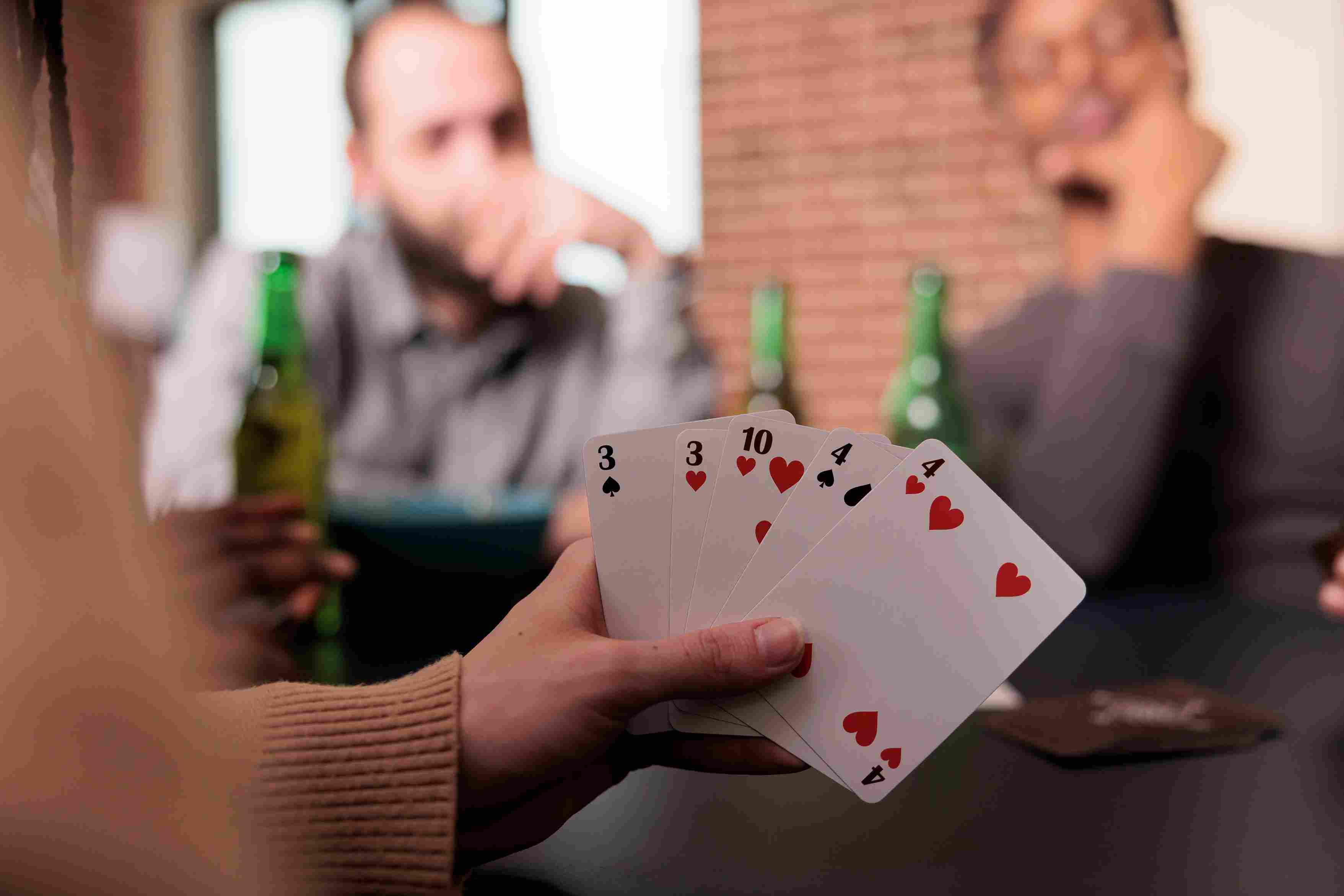
This isn’t inherently evil. Casinos are businesses, and like all businesses, they use proven techniques to influence consumer behavior. What makes casinos unique is how deeply psychology is embedded into every aspect of the gambling experience, from architecture and sound design to reward systems and digital features.
Understanding these tactics doesn’t ruin the fun - it empowers you. Once you know how the system works, you can gamble more mindfully and responsibly. So, without further ado, let’s break down how casinos, both physical and online, use psychology to keep you playing.
The Architecture of Enticement: How Physical Casinos Shape Behavior
Walking into a casino feels like stepping into a world detached from reality - and that’s by design.
Maze-Like Layouts
Casinos are intentionally built like labyrinths. Exits are hard to find, pathways curve, and gaming floors are arranged to encourage wandering. The longer you roam, the more games you pass, and the more likely you are to stop and play.
Strategic Game Placement
High-engagement games and popular slots are often placed deep inside the casino. To reach them, players must walk past dozens - sometimes hundreds - of other gambling options, increasing impulse play.
No Clocks, No Windows
Casinos famously remove clocks and windows to eliminate external time cues. Without natural light or reminders of the outside world, players lose track of time and stay longer.
Lighting, Sound, and Climate Control
Bright colors like red and gold evoke excitement. Carefully controlled lighting and temperature maintain comfort and energy, preventing fatigue. Meanwhile, the constant soundtrack of spinning reels, celebratory jingles, and cheering crowds reinforces the illusion that wins are happening everywhere.
The Illusion of Control: Why Gambling Feels Skill-Based
One of the most powerful psychological hooks in gambling is the illusion of control - the belief that your choices influence outcomes that are actually random.
Near-Misses in Slot Machines
Slot machines are programmed to show near-misses (two jackpot symbols instead of three, for example) more often than pure randomness would allow. These near-wins activate the same brain reward pathways as actual wins, triggering excitement and motivating continued play.
The Gambler’s Fallacy
Players often believe past outcomes influence future ones - like thinking a roulette wheel is “due” for black after several reds. Casinos subtly reinforce this bias by displaying recent outcomes on electronic boards, encouraging players to search for patterns that don’t exist.
Pseudo-Skill Mechanics
Buttons, levers, number selection, and betting combinations give players a sense of agency. Even though outcomes are determined by random number generators, interaction makes the experience feel strategic - and therefore harder to walk away from.
Reward Systems and Variable Ratio Reinforcement
At the heart of casino design lies operant conditioning, a concept pioneered by psychologist B.F. Skinner, who argued that behavior is shaped not by intention or reason, but by its consequences.
As Skinner famously observed, “a variable schedule of reinforcement produces a high and steady rate of responding,” a principle he demonstrated through experiments in which subjects persisted longest when rewards were unpredictable.
Casinos mirror this logic almost perfectly: wins arrive irregularly, losses are frequent but brief, and the possibility of reward is always just one action away, conditioning players to continue despite diminishing returns.
Variable Ratio Reinforcement
Slot machines use the same reinforcement schedule found in the most addictive behaviors. Rewards are delivered unpredictably - sometimes after one spin, sometimes after fifty. This uncertainty produces high engagement and resistance to stopping, because the next win might be one spin away.
Loyalty Programs and “Free” Comps
Casinos extend reinforcement beyond the games themselves through loyalty programs, free drinks, meals, hotel stays, and VIP perks. These rewards trigger reciprocity, making players feel obligated to continue gambling in return.
Progress bars, tier levels, and exclusive rewards further gamify spending, reinforcing repeat visits and longer sessions.
READ MORE:
Losses Disguised as Wins (LDWs)
One of the most deceptive psychological tactics in modern slots is the Loss Disguised as a Win (LDW).
What Is an LDW?
If you bet $5 and win $2, you’ve lost $3 - but the machine celebrates with lights and sounds as if you won. The brain responds positively, even though your bankroll shrinks.
Why LDWs Are So Effective
LDWs:
- Create a false sense of success
- Inflate perceived win frequency
- Mask long-term losses
- Extend playtime
Players feel rewarded even while losing, making it harder to recognize when it’s time to stop.
Social Proof and the Illusion of Winning Everywhere
Humans are deeply influenced by the behavior of others, and casinos capitalize on this.
Jackpot Displays and Winner Announcements
Photos of winners holding oversized checks, real-time jackpot counters, and loudspeaker announcements make wins feel frequent and attainable - even though they’re statistically rare.
Visible Excitement
Casinos are designed so celebrations are highly visible. Seeing others cheer, high-five, or react emotionally triggers optimism and reinforces the belief that “my win is coming next.”
Chip Psychology and Money Abstraction
Casinos rarely use cash at the tables - and there’s quite a few good reasons for that:
Chips vs. Cash
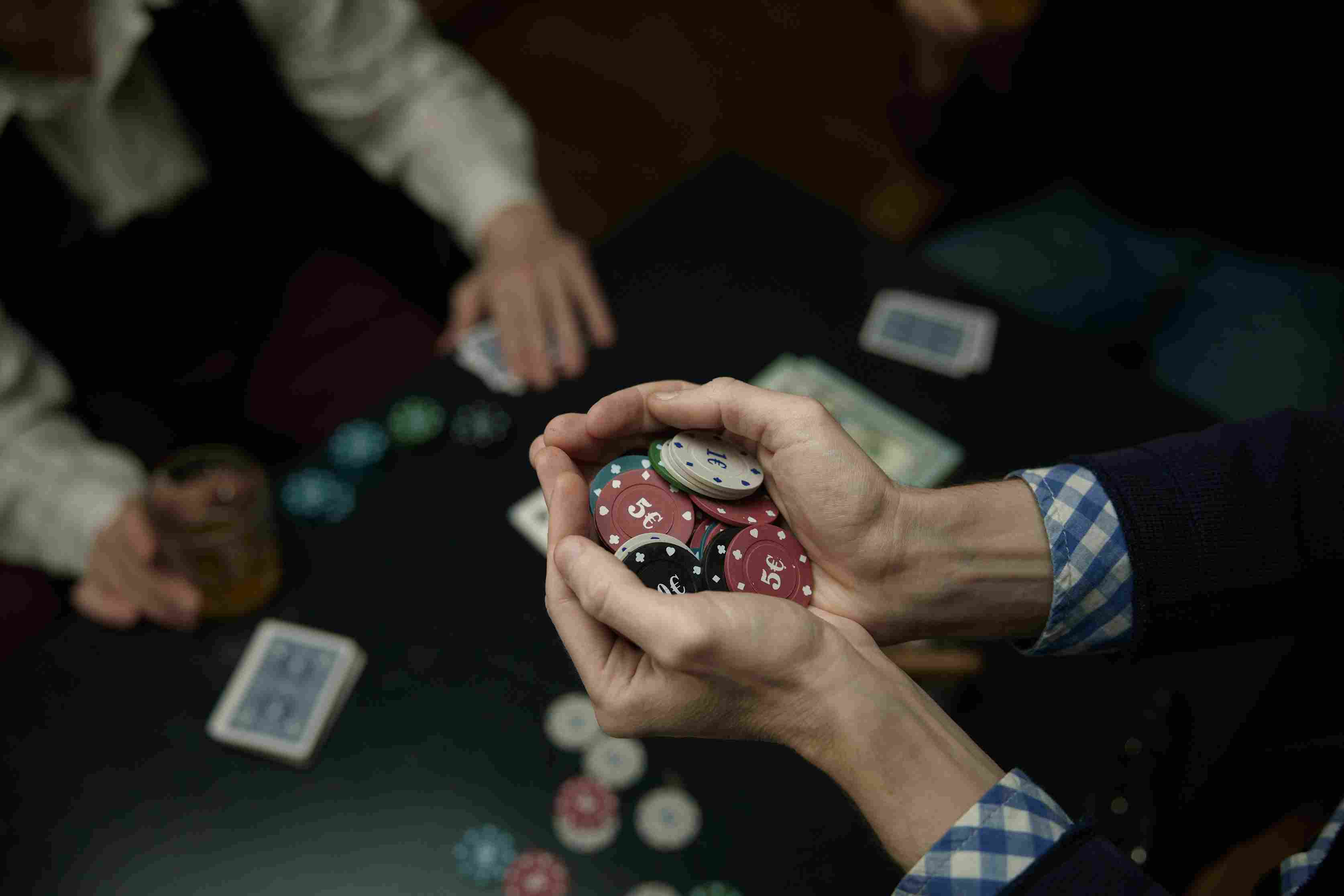
Chips feel like game pieces, not money. This abstraction reduces the emotional pain of spending, making larger bets feel less risky.
High-Value Chip Design
Bright colors and elegant designs make high-denomination chips feel prestigious rather than costly, further detaching players from real monetary value.
Comfort and Hospitality: Keeping You in Your Seat
Casinos remove friction from gambling by making it extremely comfortable.
Free Drinks
Alcohol lowers inhibitions and impairs decision-making, increasing risk-taking and bet size.
Ergonomic Seating
Comfortable chairs reduce physical discomfort, allowing players to gamble longer without fatigue.
Attentive Staff
Friendly, responsive service makes players feel valued. High-rollers receive personalized attention, reinforcing loyalty and extended play.
Cognitive Biases That Keep Players Gambling
Several well-documented cognitive biases play a major role in gambling behavior, such as:
Sunk Cost Fallacy
Players chase losses because they’ve already invested money, believing one more bet will “make it worth it.”
Confirmation Bias
Wins are remembered vividly; losses fade into the background. This skews perception of success and reinforces risky behavior.
Availability Heuristic
Highly publicized big wins make jackpots seem more common than they are, increasing willingness to gamble despite low odds.
Online Casinos: Digital Psychology on Steroids
Online gambling platforms replicate - and often amplify - the tactics implemented in land-based casinos, such as:
Push Notifications and Emails
Personalized reminders, bonus alerts, and limited-time offers keep casinos top-of-mind and drive return visits.
Auto-Play Features
Auto-play reduces conscious decision-making, allowing players to lose track of time and money during extended sessions.
Virtual Rewards and Progress Bars
Points, badges, levels, and milestones tap into achievement motivation, encouraging continuous play to “complete” goals.

Ethics and Responsible Gambling
There is a fine line between entertainment and exploitation, which is why you can expect the following Responsible Gaming principles at legit, quality casinos:
Industry Responsibility
Reputable casinos implement:
- Self-exclusion programs
- Deposit and time limits
- Transparent odds and RTP disclosures
- Third-party audits
- AI-based harm detection
Player Tools and Resources
Gamblers have access to:
- Helplines and counseling services
- Self-assessment tools
- Cooling-off periods
- Personalized betting limits
Responsible gambling means treating play as entertainment, not income, and recognizing when to step away.
Final Thoughts On Casino Psychology: Knowledge Is Your Best Defense
Casinos aren’t waging psychological warfare, but they are incredibly good at influencing behavior. When you understand how architecture, reward systems, cognitive biases, and digital design work together, gambling becomes less mysterious and more manageable.
Awareness doesn’t eliminate risk, but it restores choice. The house may always have an edge, but informed players have control. Gamble responsibly, set limits, take breaks, and never hesitate to seek help if play stops being fun.