
House Edge Explained: Casino Games with the Best and Worst Odds
13 Mar, 2026
- 🎲The house always has the edge: Every casino game is built with a statistical advantage for the casino over time.
- ⏳The longer you play, the more the edge works: More bets mean expected losses slowly increase.
- 🃏Some games have better odds: Blackjack, baccarat, and video poker offer lower house edges than slots or keno.
There’s one universal rule in gambling: the casino always has the edge. Whether you’re spinning a roulette wheel, tapping the spin button on an online slot, or facing a dealer in blackjack, every game is designed with a built-in mathematical advantage known as the house edge.
This advantage ensures that over time the casino wins more money than it pays out, even though individual players may enjoy short-term wins. From the neon glow of Las Vegas casinos to the digital lobbies of online gaming platforms, the underlying math never changes.
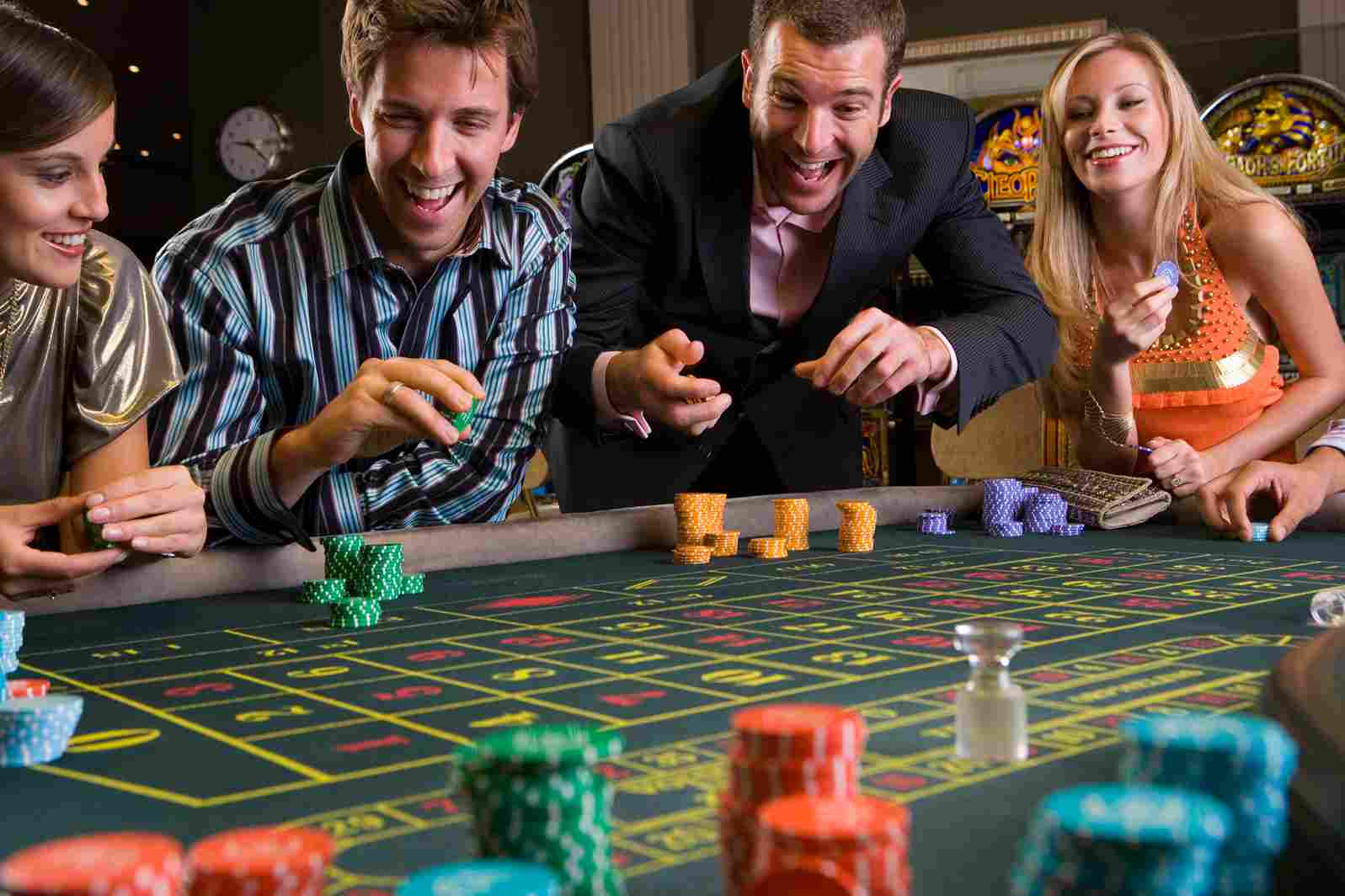
But not all casino games stack the deck equally. Some games offer surprisingly favorable odds for players, while others heavily tilt the table toward the house. Understanding the house edge is the key to knowing which games give you the best shot, and which ones quietly drain your bankroll. Let’s shuffle the cards and deal out the truth behind house edge and casino odds.
What Is the House Edge? The Casino’s Secret Sauce
The house edge is the statistical advantage that a casino holds over players in any given game. In mathematical terms, it represents the average percentage of each bet that the casino expects to keep over time.
Researchers and gambling mathematicians often describe the house edge using expected value, the long-term average result of repeated bets. Because casino games are built around probability and payout structures, the expected value for players is always slightly negative.
For example, consider American roulette. The wheel contains numbers 1–36 plus a zero and a double zero. While a straight-up bet might seem like it offers 36-to-1 odds, the extra pockets change the real probability. The result is a house edge of 5.26%, meaning that for every $1 million wagered, the casino expects to keep about $52,600.
This advantage might look small, but the math compounds quickly. The house edge applies to the total amount wagered - not your starting bankroll. If you bet repeatedly, the edge slowly chips away at your funds like a patient card shark.
That’s why casinos - both land-based and online - encourage players to keep playing. The longer you stay at the table or on the app, the more the house edge works in the casino’s favor.
Why the House Edge Gets Stronger the Longer You Play
Short-term wins are possible - and even common - but the longer you gamble, the closer your results approach the statistical average. This principle comes from probability theory and the law of large numbers, a concept widely discussed in gambling mathematics research.
Here’s a simple illustration:
Imagine a player betting $5 per spin on roulette, with the wheel spinning 50 times per hour. That means the player wagers $250 per hour. Over four hours, they’ve bet $1,000 total.
With a 5% house edge, the expected loss is $50 - not the $5 that some gamblers assume when looking only at their starting bankroll.
This slow and steady erosion is why casinos design environments that encourage longer play sessions. In physical casinos you’ll notice no clocks and no windows, while online casinos use gamification, bonuses, and seamless gameplay to keep players spinning.
In other words, the house doesn’t rush the game. It plays the long game, and the math eventually deals the winning hand.
READ MORE:
Casino Games With the Best Odds
If you’re going to gamble, choosing games with the lowest house edge can dramatically extend your playtime and reduce expected losses. Some games are built with more balanced probabilities, especially those that involve player strategy or transparent odds. Here are some of the casino games with the best odds:
Games | House Edge |
Blackjack | 0.5% |
Baccarat | 1.06% |
Craps | 1.36% |
Video poker | 0.5-2% |
European roulette | 2.7% |
Among these, blackjack is often considered the most player-friendly casino game. When players follow basic strategy - choosing when to hit, stand, double down, or split correctly, the house edge drops significantly.
Video poker also stands out in online casinos because its odds depend on paytable structures and player decisions. Skilled players who understand the optimal strategy can push the house edge remarkably low.
Meanwhile, baccarat’s banker bet is popular among high rollers because it carries one of the smallest built-in advantages for the house. These games prove that while the house always holds an edge, sometimes it’s more of a gentle slope than a steep cliff.
Casino Games With the Worst Odds
On the other side of the table are games where the odds lean heavily toward the casino. These games are usually driven by pure chance, flashy payouts, and simplified gameplay - features that make them entertaining but statistically unfavorable.
Here’s a rundown of the casino games with the worst odds:
Game | House Edge |
Keno | 20-40% |
Slot machines | 5-15% |
American roulette | 5,26% |
Baccarat tie bet | 14% |
Craps | +-10% |
Among these, keno is widely considered one of the least favorable casino games. Despite its lottery-style excitement and massive potential payouts, the house edge can climb as high as 40%.
Online slot machines occupy a unique middle ground. Their house edge varies depending on Return to Player (RTP) percentages, which typically range from 85% to 97%. While that still favors the casino, higher-RTP slots provide somewhat better odds.
Still, the glittering graphics and jackpot promises of slots can mask the underlying math. Behind every spinning reel lies a probability engine designed to favor the house.
Online Casinos vs Land Casinos: Same Math, Different Interface
Although online casinos and land-based casinos feel very different, the fundamental probabilities remain the same.
In physical casinos, the house edge is enforced by game rules, wheel design, and payout ratios. In online casinos, the same advantage is embedded in random number generators (RNGs) and game algorithms.
However, online casinos introduce a few modern twists:
- Higher game variety, including hundreds of slot variations
- Published RTP percentages for many games
- Automated gameplay, allowing faster betting cycles
- Bonus systems that can influence player strategy
The speed of online play is particularly important. Digital games often allow more bets per minute, meaning the house edge can accumulate faster if players aren’t careful.
Still, online casinos also provide tools that savvy players can use to their advantage - such as RTP disclosures and strategy guides for games like blackjack and video poker.
In other words, the digital casino floor may look different, but the probability cards are still stacked in the same direction.
Playing the Odds Without Losing the Plot
The house edge is the silent partner in every casino game, quietly ensuring that the odds favor the casino over time. It’s the mathematical backbone of the entire gambling industry - from glittering resort casinos to the rapidly expanding world of online gaming platforms.
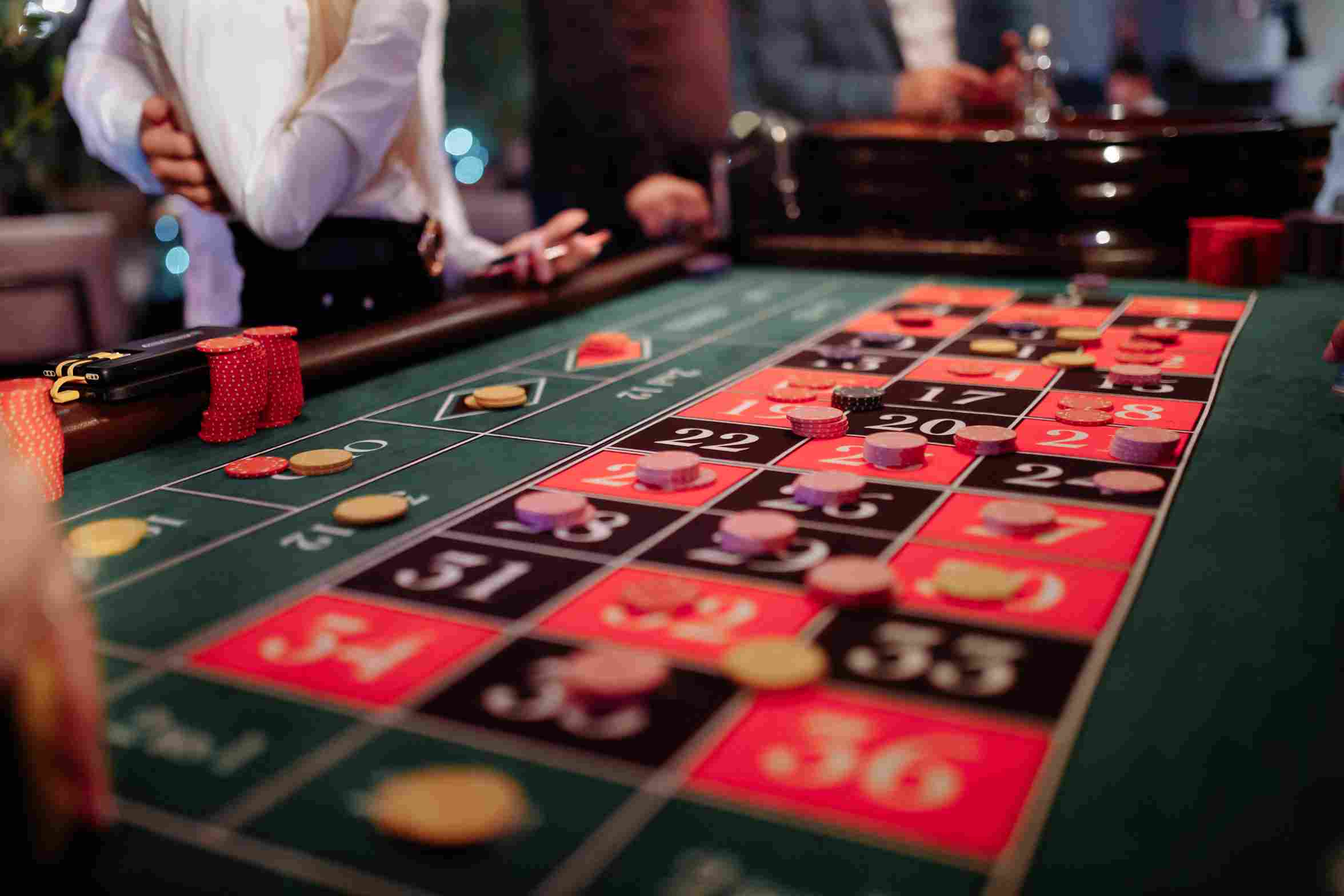
While players can never eliminate the house advantage, they can choose games where the edge is smaller and strategy matters. Blackjack, baccarat, and video poker offer comparatively favorable odds, while games like keno and certain slots heavily favor the house.
In the end, the smartest approach is to treat gambling as entertainment rather than investment. After all, the casino may always hold the edge, but understanding the odds ensures that you’re playing the game with your eyes wide open. Knowing the cards on the table can make all the difference - even when the house is the dealer.